
Tips for Wood Stove Safety
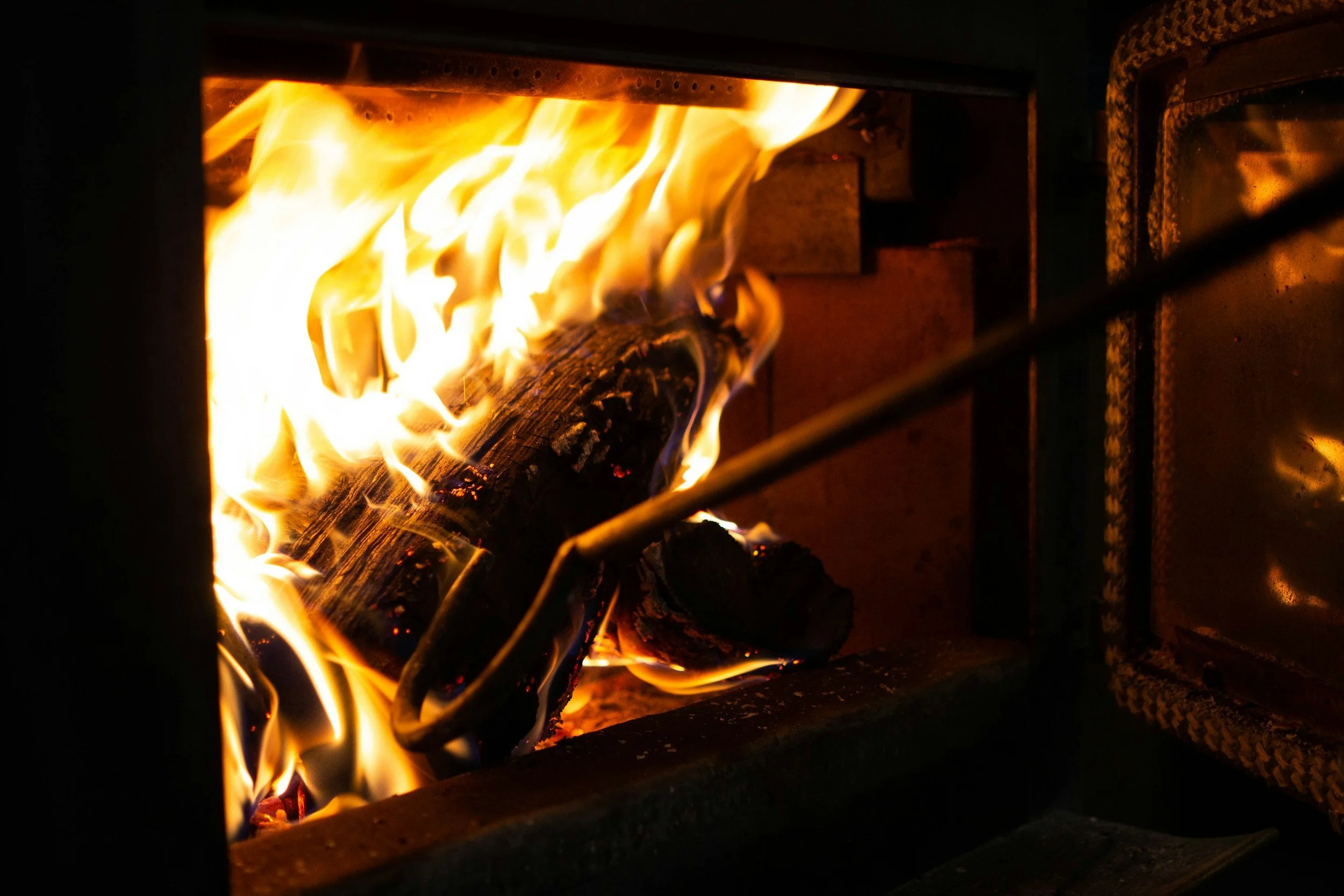
Picture this: it’s the first snow of the season, and you’re curled up beside a crackling fire on a cold night. There’s nothing better than the warmth and comfort of a wood stove, but with that comfort comes risk.
If you have a wood or pellet stove in your home, following these safety tips can help keep your family warm and protected all winter long.
Wood Stove Safety Tips
Keep these tips in mind for safe and efficient wood stove use:
Keep it clean: Soot buildup can reduce the heat efficiency of your stove. Clean the inside of your wood stove with a wire brush at least once a month.
Use seasoned wood: Freshly cut wood contains too much moisture, creating excess smoke and a dangerous buildup of creosote in your chimney. Only burn “seasoned wood” — wood that has been cut, split, and dried for six months or more.
Pellet Stove Safety Tips
Pellet stoves require special care to ensure safety and efficiency:
Clean it often: Pellet stoves should be cleaned at least once a week during the heating season. A professional cleaning should also be performed at least once per year.
Follow manufacturer guidelines: Operate, clean, and maintain your pellet stove according to the manufacturer’s instructions. Only use the type of pellets recommended for your specific model.
Charge your batteries: If the power goes out while your pellet stove is running, the fan system could stop, allowing smoke to enter your home. A battery backup system ensures the fans run long enough to safely complete the burn cycle and prevent smoke damage.
How a Wood or Pellet Stove Affects Your Home Insurance
Wood and pellet stoves are cozy, but they are among the riskiest heating systems in a home. If you’re considering installing a new stove or exploring alternative heating systems, contact your local insurance broker before making changes. This ensures your policy provides the appropriate coverage and prevents unexpected issues in the future.
Whether you stick with your current system or consider alternatives such as heat pumps, solar, or geothermal systems, a licensed insurance broker can help you understand your options and how they may affect your home insurance.
Keep your home safe and your family protected this winter. Contact Miller Insurance Brokers today to review your home insurance policies, discuss coverage for wood or pellet stoves, and ensure you’re fully covered for all heating systems.